

Chat Now
Air Master

Typically replies instantly

Hi there
How can we help you?

Powered By Channel Softech

Our Products

 Explore our complete range of high-quality HVAC products designed for reliable performance, efficient airflow, and long-lasting durability.
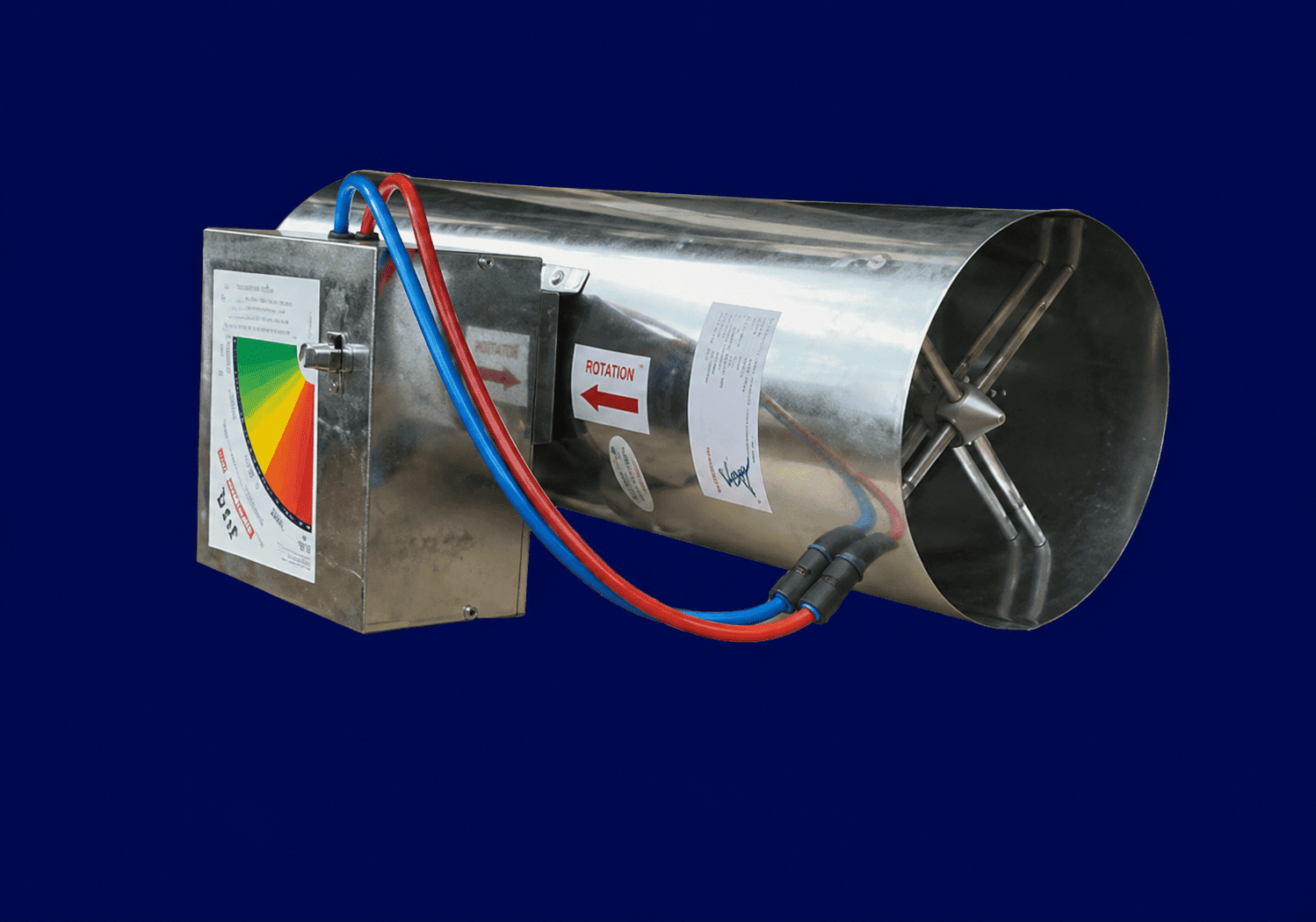
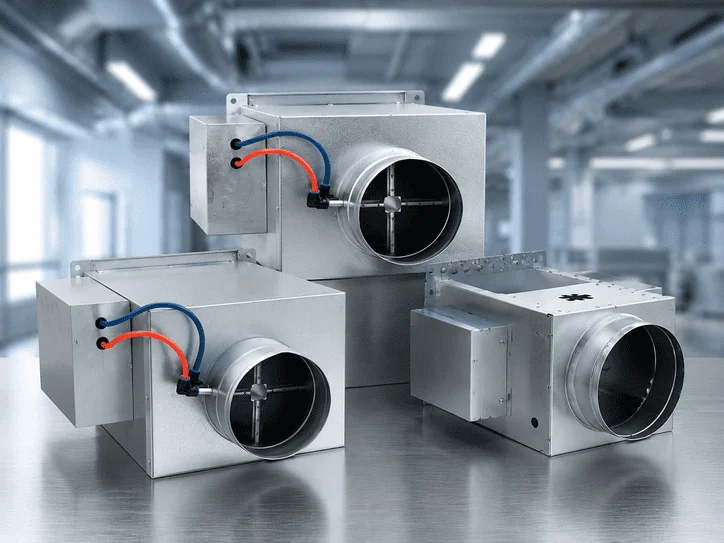
Variable Air Volumes Collection

(7 Products)
VAV – Pressure Independent– Round

VAV – Pressure Independent– Round

Pressure Independent Variable Air Volume Damper with Circular Inlet and Circular Outlet suitable to fixe direc...

View Details
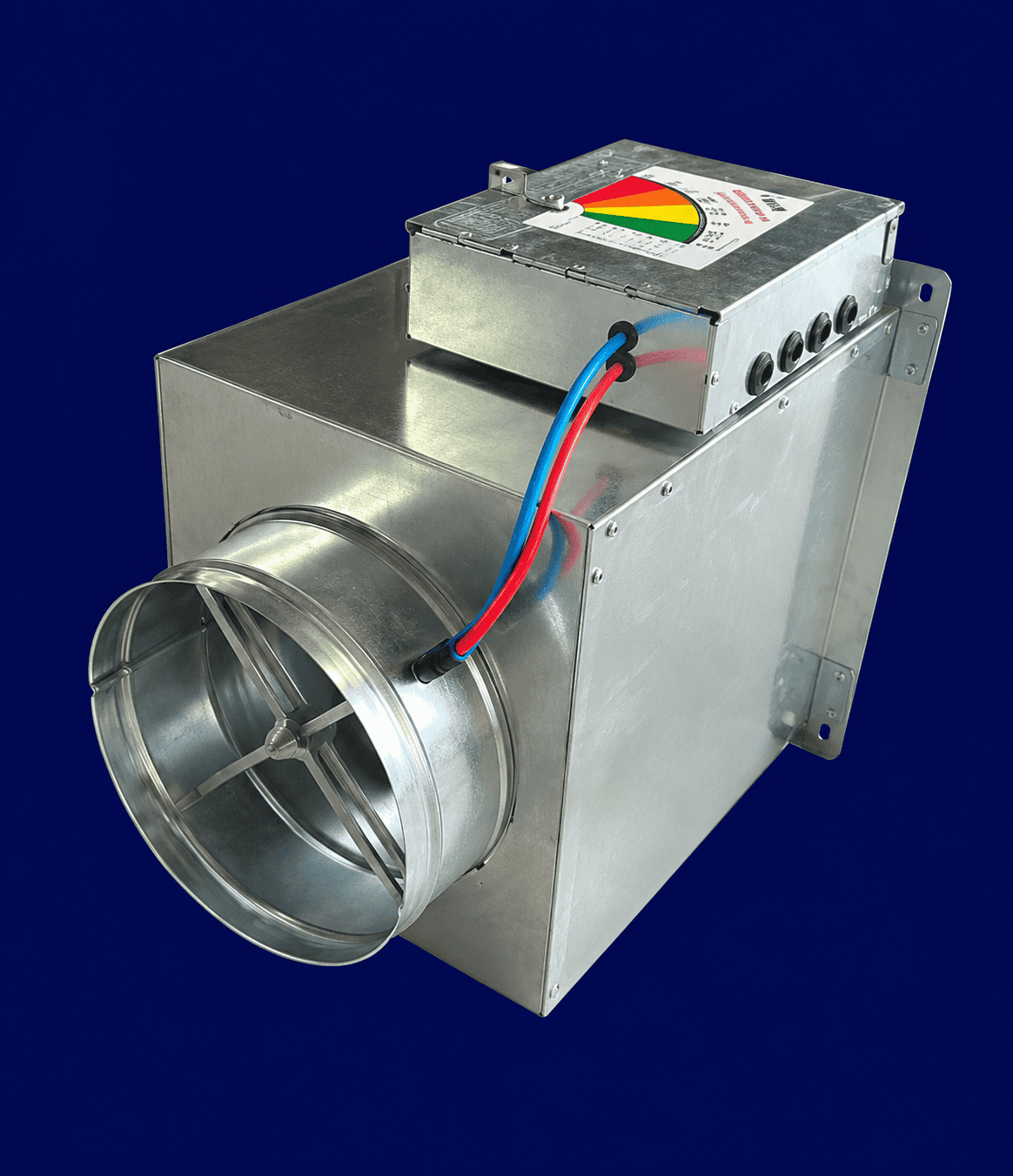
VAV – Pressure Independent– Round to Square

VAV – Pressure Independent– Round to Square

Pressure Independent Variable Air Volume Damper with Differential Pressure Flow Grid Sensor having circular in...

View Details
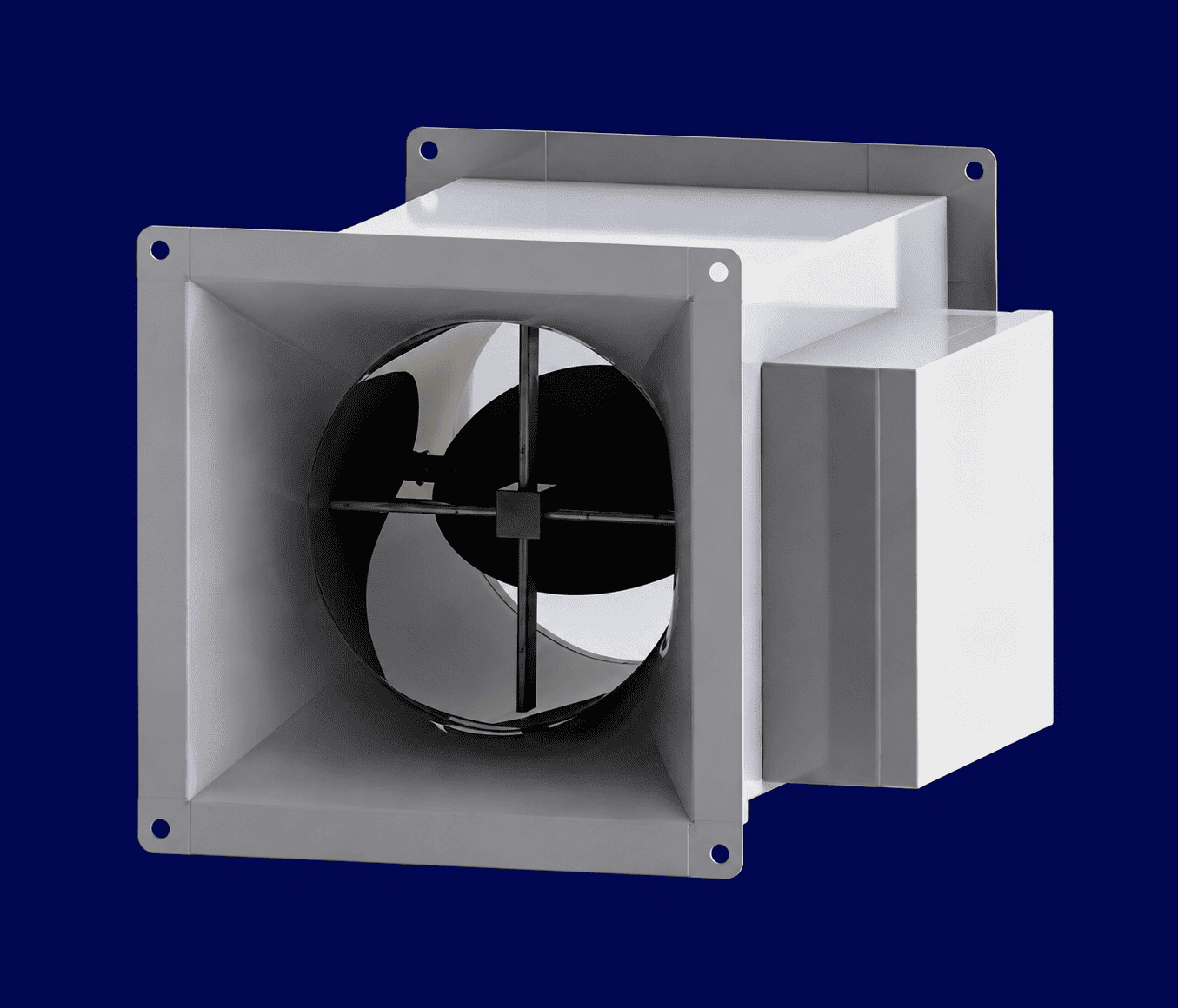
VAV – Pressure Independent– Square to Square

VAV – Pressure Independent– Square to Square

Pressure Independent Variable Air Volume Damper with Square Inlet and Square Outlet and built in circular tran...

View Details
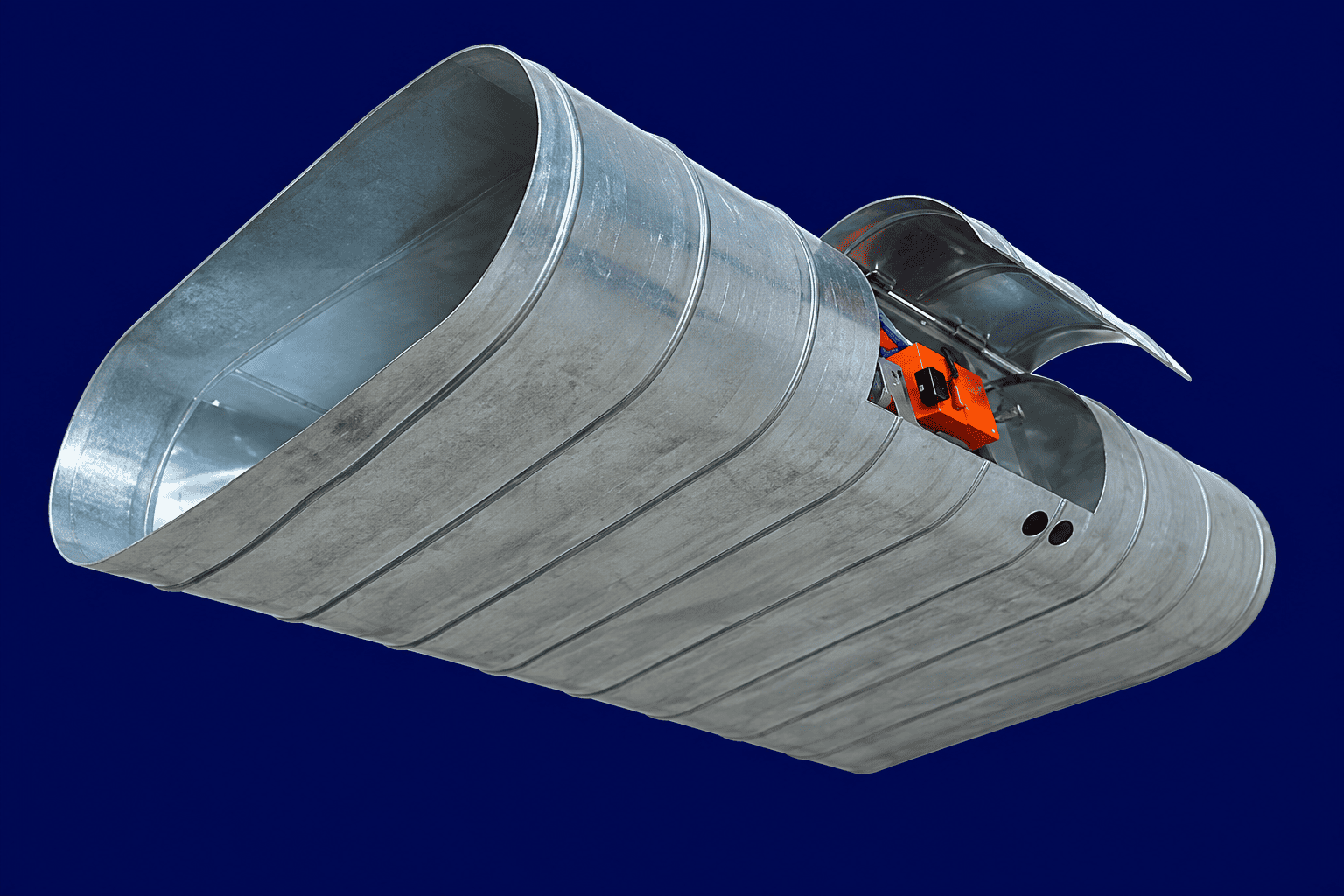
VAV – Pressure Independent– Elliptical

VAV – Pressure Independent– Elliptical

Pressure Independent Variable Air Volume Damper in Elliptical Duct with concealed control box. Differential Pr...

View Details
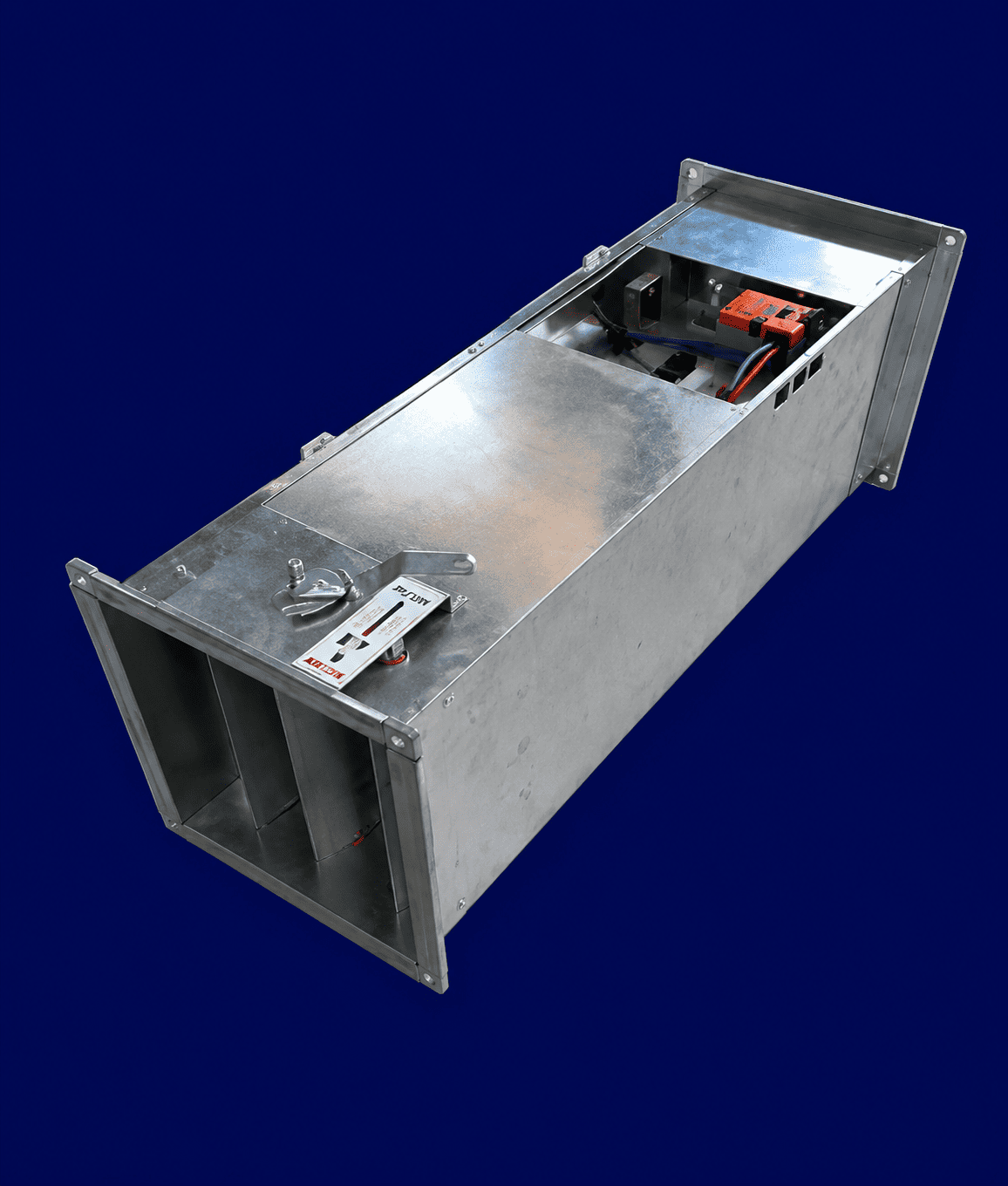
VAV – Pressure Independent– With VCD

VAV – Pressure Independent– With VCD

Pressure Independent Variable Air Volume Damper with Rectangular Inlet and Outlet suitable for direct installa...

View Details
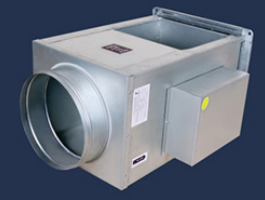
VAV - Bypass

VAV - Bypass

Bypass Variable Air Volume Damper with Circular Inlet and Rectangular Outlet provided with a rectangular Bypas...

View Details
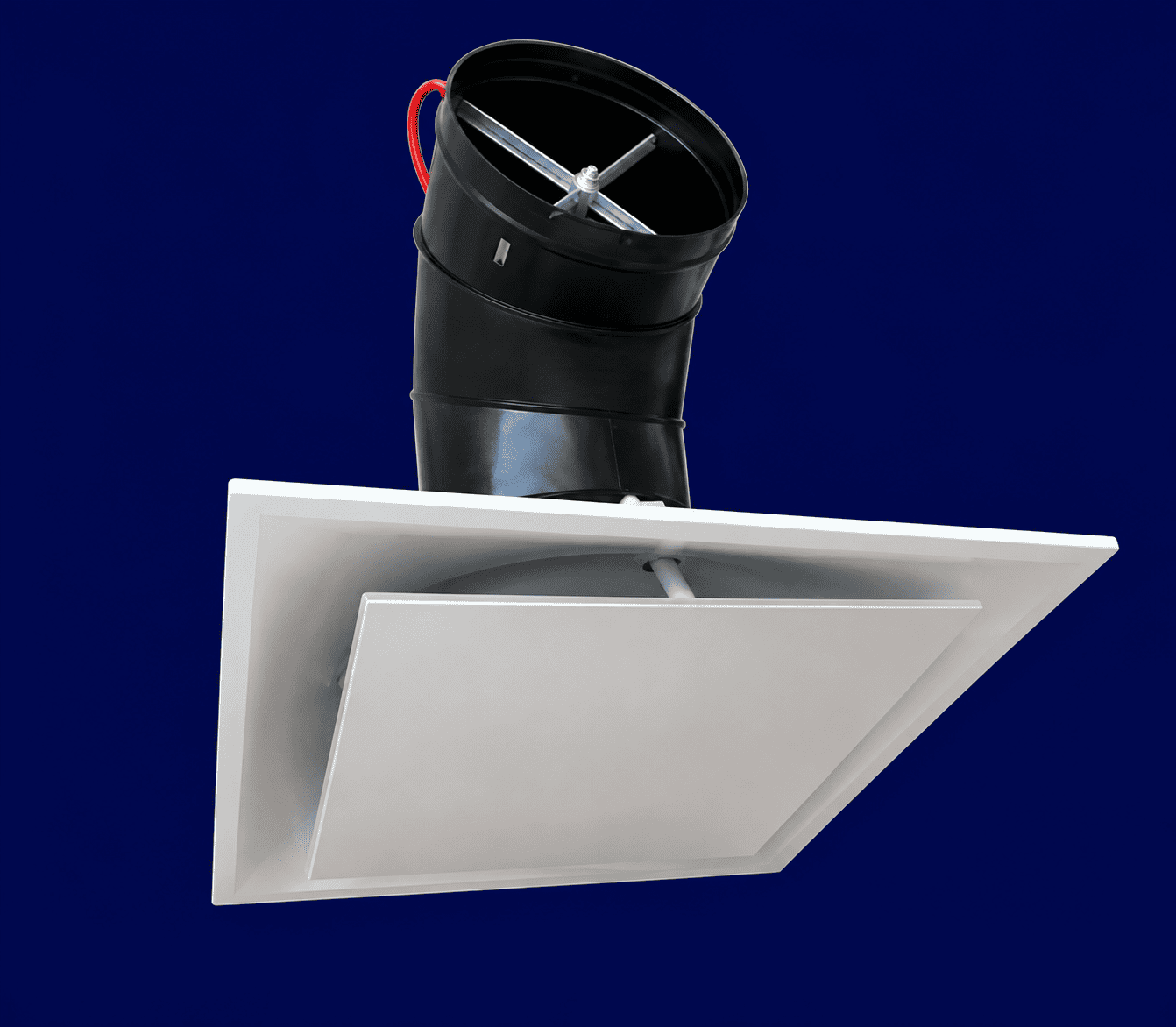
VAV Diffuser – Pressure Independent

VAV Diffuser – Pressure Independent

Variable Air Volume Diffuser is a combination of VAV and diffuser into a single product with 90 deg elbow and ...

View Details
Faqs?

Frequently Asked Questions

Everything you need to know about Variable Air Volumes.

A VAV unit adjusts the amount of conditioned air supplied to each zone according to demand, helping maintain more consistent room temperatures.

Yes. By reducing airflow when full cooling or heating is not required, VAV systems can lower fan energy and improve overall HVAC efficiency.

The controller responds to signals from room temperature sensors and airflow sensors, adjusting the damper position to match the zone requirement.

CAV maintains a relatively constant airflow, while VAV continuously varies airflow according to the changing cooling or heating demand of the space.

Yes. VAV controllers can be connected to a BMS for centralized monitoring, setpoint adjustment, operating status and building automation.

A minimum airflow setting helps maintain ventilation requirements and prevents the zone airflow from dropping below the project's specified limit.

VAV with reheat is useful when a zone requires minimum ventilation airflow but also needs additional heating to maintain the required room temperature.

Adequate inlet pressure is required for stable airflow control. Excessive or insufficient duct pressure can affect control accuracy, noise and system performance.

Commissioning verifies airflow settings, controls, sensors, actuator operation and BMS communication so each zone performs according to the HVAC design.

Key details include minimum and maximum airflow, inlet size, available static pressure, control requirements, reheat requirement, BMS protocol and project specifications.
HVAC Manufacturing Excellence Since 1987

Ready to Partner with a Trusted HVAC Manufacturer?

Whether you're planning a commercial tower, airport, hospital, industrial facility, or residential development, Air Master delivers dependable HVAC products backed by nearly four decades of expertise.