How to Choose the Right Air Conditioning Grille for Your Space

Air conditioning grilles may look like simple components of an HVAC system, but they play a crucial role in airflow performance, indoor comfort, and overall system efficiency. Whether you are installing a new HVAC system or upgrading an existing one, selecting the right grille ensures proper air distribution and enhances the appearance of your space.
What Is an Air Conditioning Grille?
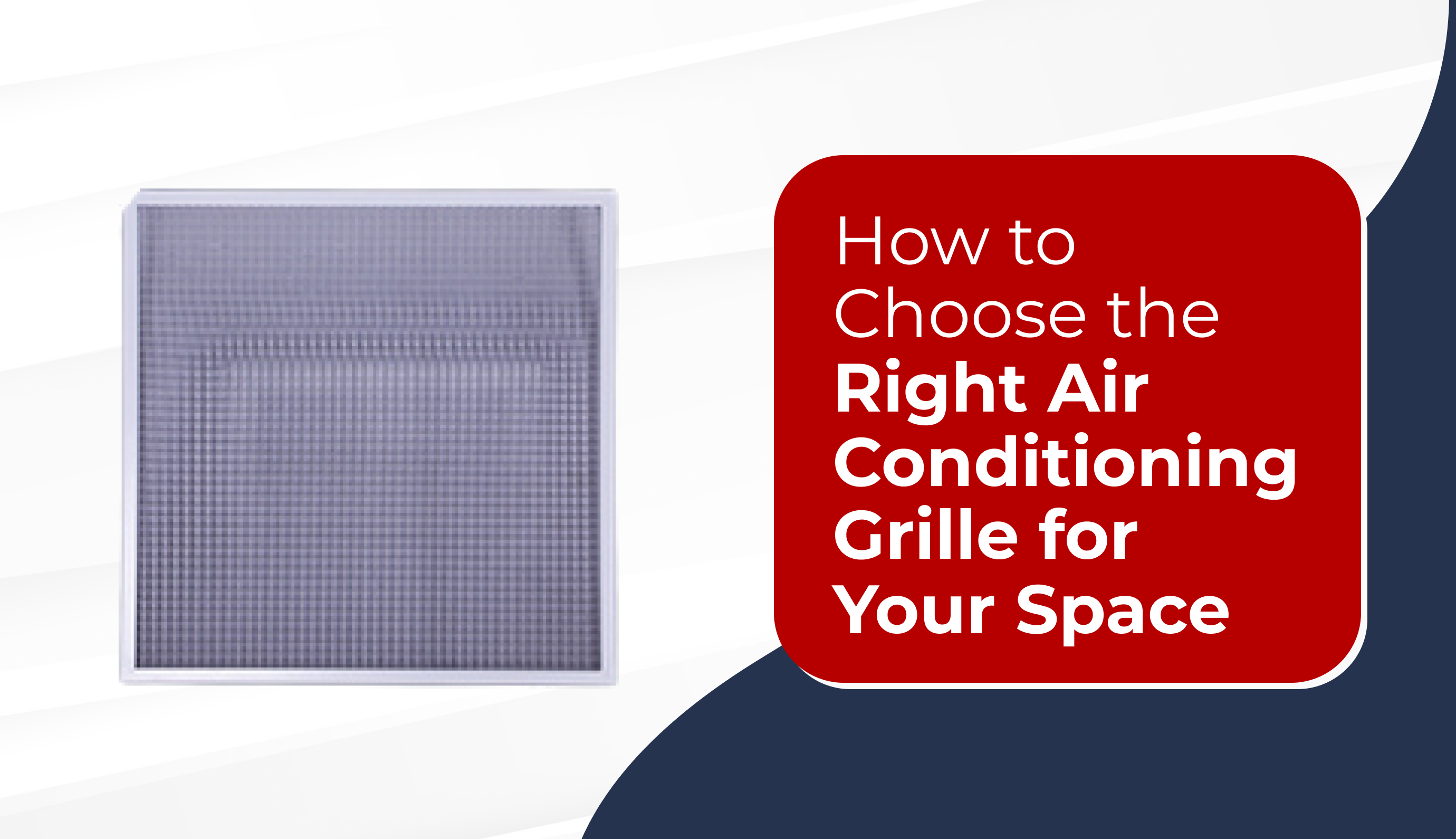
An air conditioning grille is a vent cover installed over duct openings on walls, ceilings, or floors. Its primary function is to allow air to pass in or out of a room while protecting the duct system.
There are two main types:
- Supply Grilles – Deliver cooled or heated air into the room.
- Return Grilles – Draw air back into the HVAC system for reconditioning.
Choosing the correct type is essential for maintaining balanced airflow and energy efficiency.
Key Factors to Consider When Choosing an Air Conditioning Grille
1. Correct Size and Airflow Requirements
Selecting the proper size is critical. A grille that is too small can restrict airflow, forcing the HVAC system to work harder and increasing energy consumption. An oversized grille may not fit correctly or look proportionate.
Always measure the duct opening accurately and ensure the grille’s free airflow area matches your system’s requirements.
2. Supply vs Return Grille
Understanding whether your space requires a supply or return grille is important.
- Supply grilles often have adjustable blades to control airflow direction.
- Return grilles typically have fixed blades and are designed to allow smooth air intake.
Using the wrong type can result in uneven cooling or heating and reduced comfort.
3. Material Selection
The material of the grille affects durability, maintenance, and longevity.
- Aluminum: Lightweight, corrosion-resistant, and ideal for humid environments.
- Steel: Strong and durable, suitable for heavy-duty applications.
- Plastic: Budget-friendly and rust-resistant, but less durable over time.
- Stainless Stee: For Cleanroom and pharmaceutical applications
For long-term performance, aluminum grilles are often preferred in residential and commercial applications.
4. Airflow Pattern and Direction
Different grille designs offer different airflow patterns, such as horizontal, vertical, or multi-directional air distribution.
For large rooms or commercial spaces, adjustable grilles help direct airflow where it is needed most, improving comfort and system efficiency.
5. Deflection of Air Flow
Grilles can be made to standard deflection of 0 / 15/ 30 and 45 degree deflection. This helps to deflect the air toe the right area and in the right direction. The decision should be based on the height of the grille from the area where cooling is required.
6. Aesthetic and Design Considerations
Modern air conditioning grilles are available in various finishes, colors, and styles. While functionality should be the priority, choosing a grille that complements your interior design enhances the overall appearance of the space.
Powder-coated finishes are popular for their clean look and durability.
6. Ease of Maintenance
Grilles accumulate dust and debris over time. Selecting a model that is easy to remove and clean helps maintain indoor air quality and keeps the HVAC system running efficiently.
Conclusion
Choosing the right air conditioning grille is about more than appearance. The correct size, type, material, and airflow design directly impact HVAC performance, comfort levels, and energy efficiency. By carefully evaluating your space and system requirements, you can ensure optimal air distribution and long-lasting performance.
If you are planning a new installation or upgrading your HVAC system, selecting the right grille is a small decision that makes a significant difference.