How HVAC Sound Attenuators Work to Reduce Noise

In modern buildings, comfort isn’t just about controlling temperature — it also means ensuring a peaceful indoor environment. HVAC systems keep us cool in the summer and warm in the winter, but they can also generate noise from fans, air turbulence, and mechanical vibration. For many spaces — such as offices, hospitals, schools, and residential buildings — excessive HVAC noise can be disruptive.
This is where HVAC sound attenuators come into play. At Air Master, we specialize in high-performance sound attenuators designed to significantly reduce noise while maintaining excellent airflow and HVAC efficiency. But how exactly do these devices work? Let’s take a closer look.
What Are HVAC Sound Attenuators?
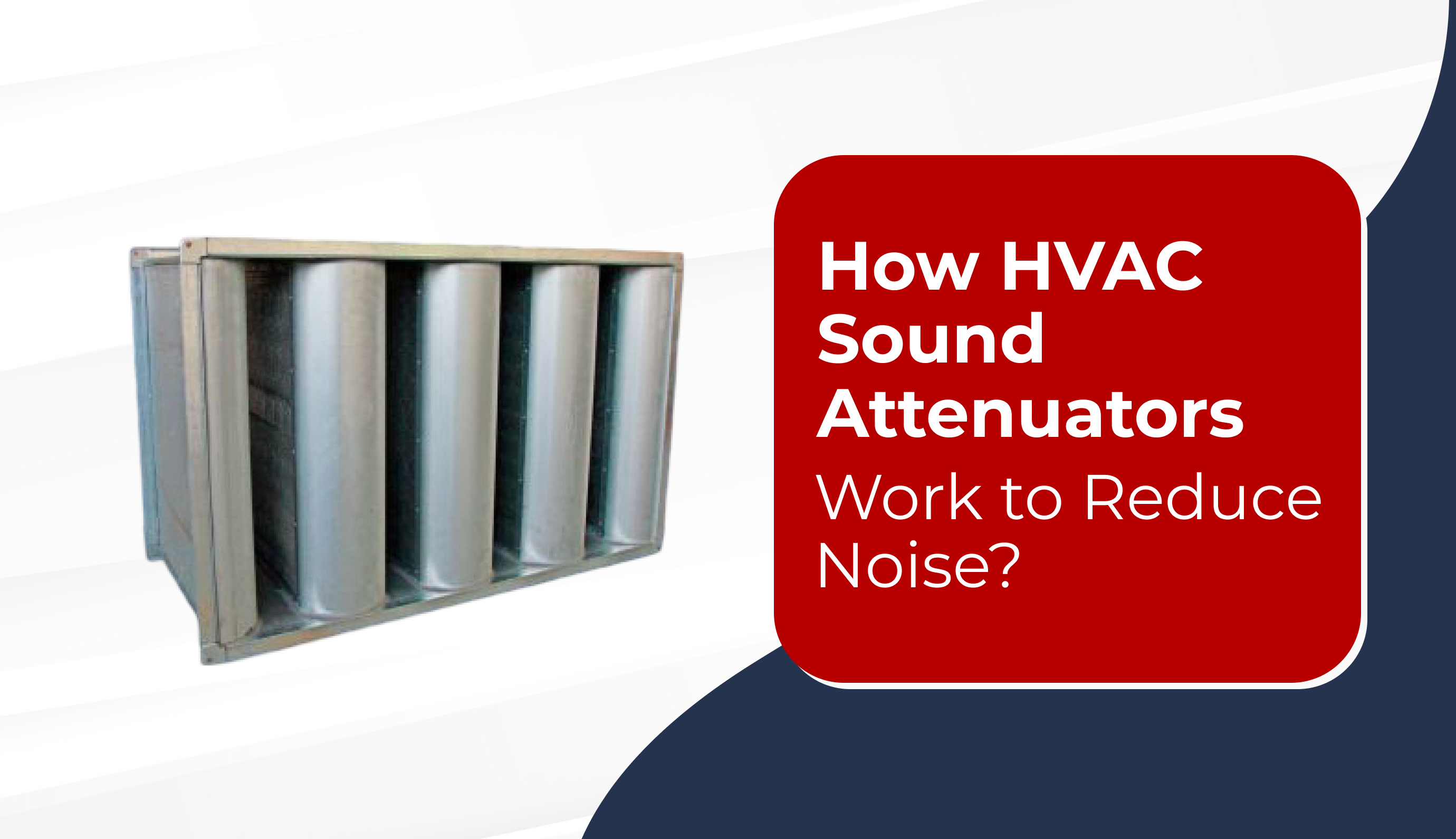
HVAC sound attenuators, also referred to as duct silencers, are acoustic devices installed within the ductwork of heating, ventilation, and air conditioning systems. Their primary purpose is to reduce noise generated by fans, air movement, and mechanical equipment before it reaches occupied spaces.
Unlike simple barriers or insulation wraps, sound attenuators are engineered specifically to disrupt and absorb sound energy — making them far more effective at noise control without compromising airflow.
Where Does HVAC Noise Come From?
HVAC noise typically originates from multiple sources:
- Fan and blower unit operation
- High-velocity air movement through ducts
- Duct resonation and turbulence
- Equipment vibration and mechanical systems
If not controlled, this noise can travel through the ductwork and emerge at vents, leading to a noisy environment.
How Sound Attenuators Reduce HVAC Noise
Sound attenuators reduce noise through a combination of absorption, reflection, and airflow management. Here’s how they work:
1. Sound Absorption
Inside a sound attenuator, acoustic materials (such as fiberglass or mineral wool) absorb sound waves. When noisy air enters the attenuator, the acoustic lining captures and dissipates the sound energy. Instead of traveling further into the duct, sound waves are converted into heat energy and weakened.
This absorption significantly lowers noise levels without reducing air quality.
2. Sound Reflection and Redirection
The internal design of a sound attenuator includes baffles or partitions that force sound waves to change direction multiple times. As the waves bounce around, their strength diminishes. This process breaks up and scatters noise energy, weakening it before it continues through the duct system.
3. Reduced Air Turbulence
High air velocity and turbulence are common noise contributors in HVAC systems. Well-designed sound attenuators help smooth airflow and reduce turbulent zones, which in turn minimizes noise created by air friction and pressure fluctuations.
Where Sound Attenuators Are Typically Installed
Sound attenuators are commonly placed:
- Between the fan unit and main duct trunk
- Near air handling units (AHUs)
- In long duct runs that transmit sound
- Around high-speed airflow sections
- Adjacent to mechanical equipment rooms
Placement depends on the identified noise source and the desired level of noise reduction.
Conclusion
Noise control is a critical aspect of HVAC system design — especially in noise-sensitive environments. HVAC sound attenuators are a reliable and effective solution to reduce unwanted sound without sacrificing airflow or efficiency. By absorbing, redirecting, and damping sound energy, these devices help create quieter, more comfortable indoor spaces.
At Air Master, our high-performance sound attenuators for HVAC are engineered to deliver excellent noise reduction while maintaining superior airflow. Whether you’re upgrading an existing system or designing a new installation, our solutions can help optimize both acoustic comfort and system performance.
👉 Explore our range of sound attenuators:
🔗https://airmaster.co.in/high-performance-sound-attenuators-for-hvac/
🔍 Choose the right solution for your project and enjoy a quieter environment today.